


Top 6 Museums in Hoi An You Should Not Miss on Your Heritage Journey


Strolling through Hoi An, visitors are immersed in a deeply nostalgic atmosphere defined by golden walls, unique ancient architecture, the romantic Hoai River, and colorful lanterns. Yet, there is one place that offers the clearest insight into the true value of this land, from its ancient market streets to its fame as a renowned trading port in the 17th century. Following Hoi An Memories Land to discover the museums in Hoi An —the vital archives of artifacts, providing the shortest path to profoundly understanding this place.
1. How Museums Reflect the Town’s Multicultural Past?
The museums visually confirm foreign influence and trade, with the Museum of Sa Huynh Culture documenting ancient civilizations and the Hoi An Museum of History and Culture charting influences from the Champa Kingdom, showcasing Hindu god sculptures and ceramics.
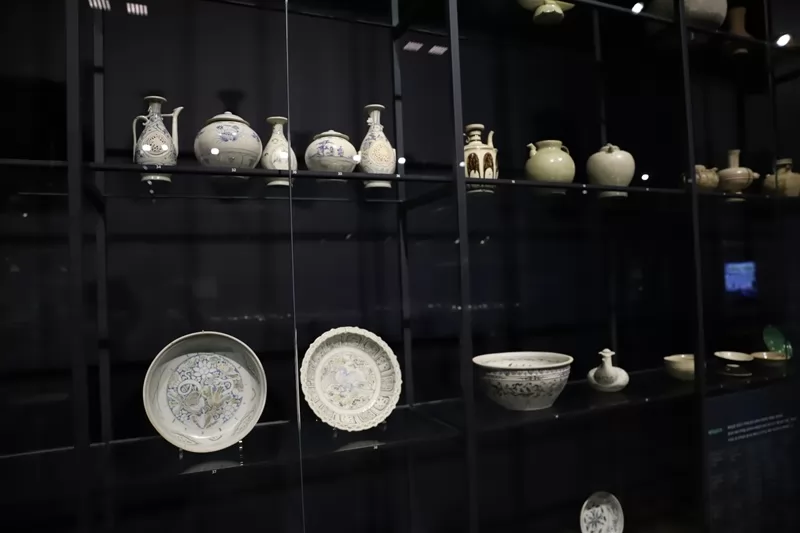
The Museum of Trade Ceramics provides the clearest evidence of Hoi An’s global reach, displaying over 400 pieces of pottery from China, Japan, India, and the Middle East. Furthermore, the very buildings that house these collections often exhibit a unique blend of Vietnamese, Chinese, and Japanese architectural details, testifying to the rich, harmonious cultural fusion that defined the Ancient Town.
2. Must-Visit Museums in Hoi An
2.1 Hoi An Folklore Museum
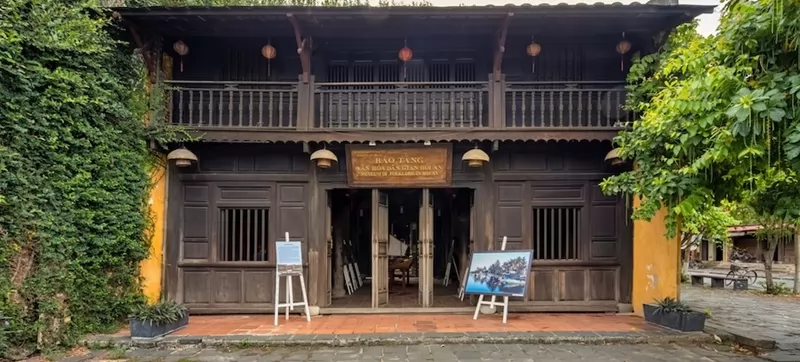
The Museum of Folklore was established in 2005, housed in the "Hoang Hiep" shophouse, one of the oldest, largest, and best-preserved houses in Hoi An, formerly owned by a Chinese family.
- Unique Architecture: The building is an architectural treasure: an exceptionally long wooden tube house (57 meters long and 9 meters wide), featuring three halls, two courtyards, two entrances, and two "bridge houses."
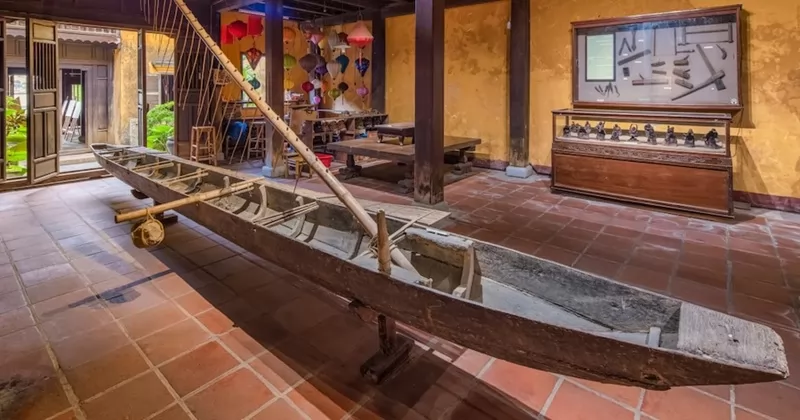
- Exhibitions: The museum preserves nearly 500 artifacts across four major themes: folk visual arts, performing arts, craft villages, and activities. Exhibits explore everything from ancient craft villages like Thanh Ha Pottery and Kim Bong Carpentry to unique cultural performances like the Heavenly Dog Dance and Bài Chòi (Hoi An Bingo Game).
- Address: 33 Nguyen Thai Hoc Street (with another entrance on Bach Dang Street).
- Operating Hours: 7:00 AM to 5:00 PM daily (closed on the 20th day of each month).
- Entrance Fee: Included in the general Ancient Town ticket (80,000 VND/domestic visitor; 120,000 VND/international visitor)
2.2 Museum of Trade Ceramics
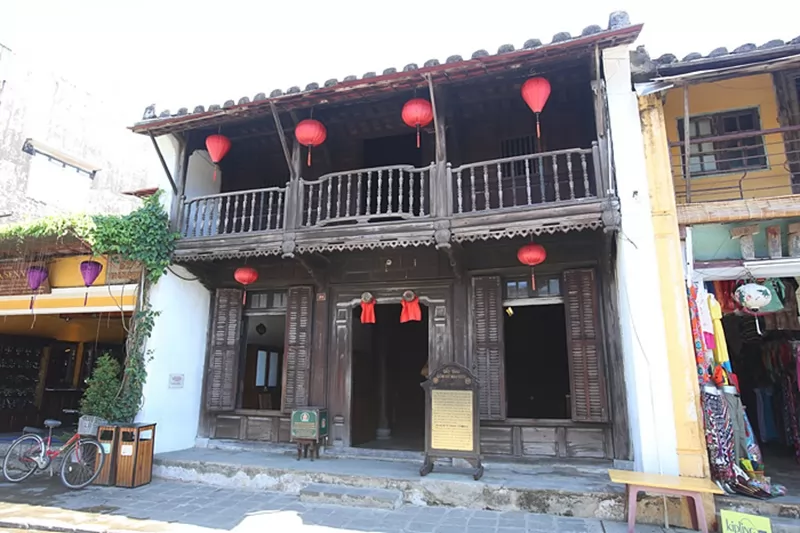
Housed in a beautifully preserved two-story wooden house built in 1920, the Museum of Trade Ceramics vividly documents Hoi An's golden age as a major port in the 16th and 17th centuries, attracting merchants from China, Japan, and European nations.
- Highlights: The artifacts serve as evidence of Hoi An's important role on the global maritime route. The building itself exemplifies traditional Hoi An architecture with an open and airy layout. Audio guides are available in three languages (Vietnamese, English, and Japanese).
- Address: 80 Tran Phu Street.
- Operating Hours: 7:00 AM to 9:00 PM daily (except the 15th of every month).
- Entrance Fee: Included in the general Ancient Town ticket (80,000 VND/domestic visitor; 120,000 VND/international visitor)
2.3 Hoi An Museum of History and Culture
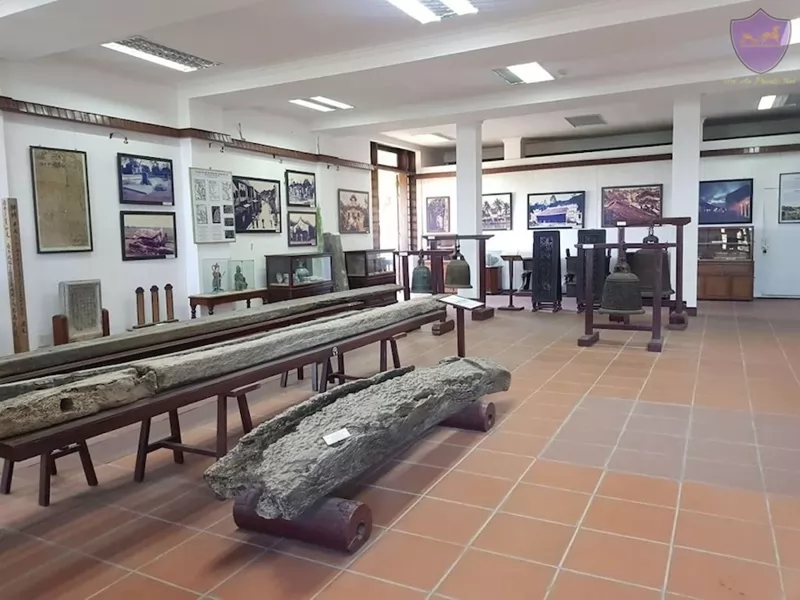
The Hoi An Museum of History and Culture relocated in 2015 to its current, large three-story building (spanning 6,000 m² total ground area), making it the largest museum in Hoi An.
- Exhibitions: The museum holds an extensive collection of over 12,000 artifacts, offering a panoramic history across four main chronological themes:
- Ancient History: Explores the history from the Sa Huynh culture (3,100 years ago) and the Champa kingdom era.
- Trading Era: Showcases export ceramics from famous northern villages like Chu Dau and Bat Trang.
- Modern History: Features exhibitions dedicated to the resilient spirit of the Vietnamese people during the French and American wars.
- Address: 10B Tran Hung Dao Street.
- Operating Hours: 7:00 AM to 5:00 PM daily (except Saturday and Sunday).
- Entrance Fee: Included in the general Ancient Town ticket (80,000 VND/domestic visitor; 120,000 VND/international visitor).
2.4 Museum of Sa Huynh Culture
Established in 1994, this museum focuses entirely on the Sa Huynh culture, an Iron Age civilization (2000 BC to 2nd century AD). The name means "yellow sands," where traces of the culture were first found.
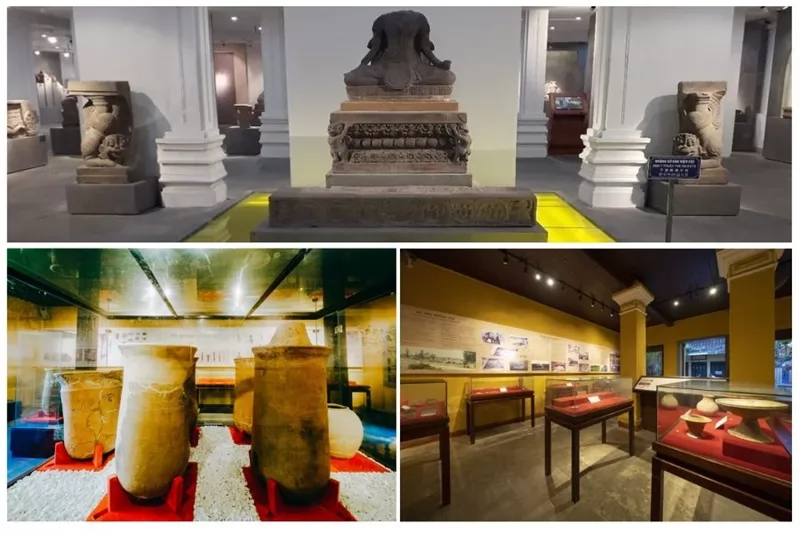
- Exhibits: The museum holds nearly 1,000 artifacts, primarily the distinctive burial jars and accompanying objects (accessories made from agate, glass, and gem) excavated from sites around Hoi An.
- Cultural Significance: These artifacts establish the historical continuity of local crafts, noting that pottery making in the area dates back to the Sa Huynh period. The archaeological site of Bai Ong is considered the oldest trace of human life in Hoi An.
- Address: 149 Tran Phu Street.
- Operating Hours: 7:00 AM to 9:00 PM daily (closed on the 10th day of every lunar month).
- Entrance Fee: Included in the general Ancient Town ticket. (80,000 VND/domestic visitor; 120,000 VND/international visitor)
2.5 Precious Heritage Art Gallery Museum
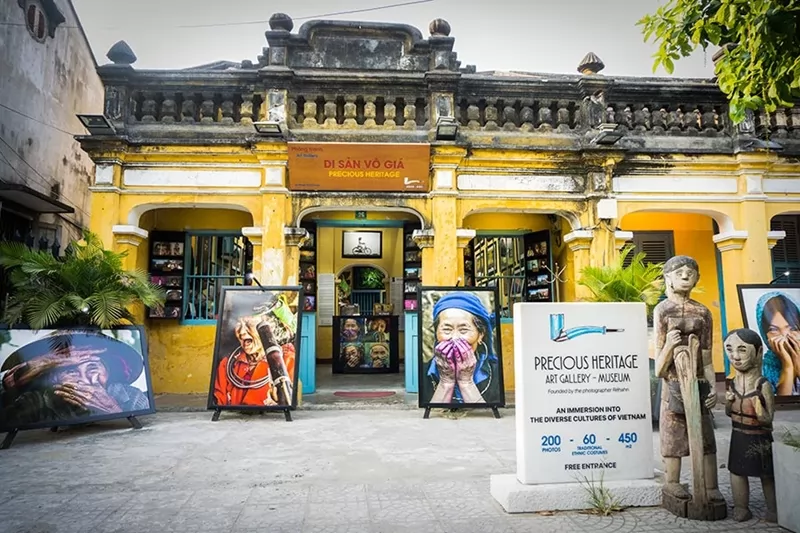
The Precious Heritage Art Gallery Museum was founded by French photographer Réhahn Croquevielle in 2017. It is a unique visual project dedicated to documenting and preserving the cultural beauty of 54 ethnic groups of Vietnam.
- Exhibitions: Housed in a preserved old French house, the museum showcases hundreds of large-format portraits alongside over 60 authentic traditional costumes. Exhibitions are organized regionally (North, Central, South) and include the specialized Indigo Room.
- Address: 26 Phan Boi Chau Street.
- Operating Hours: 8:00 AM – 8:00 PM daily.
- Entrance Fee: Free
2.6 Traditional Medicine Museum
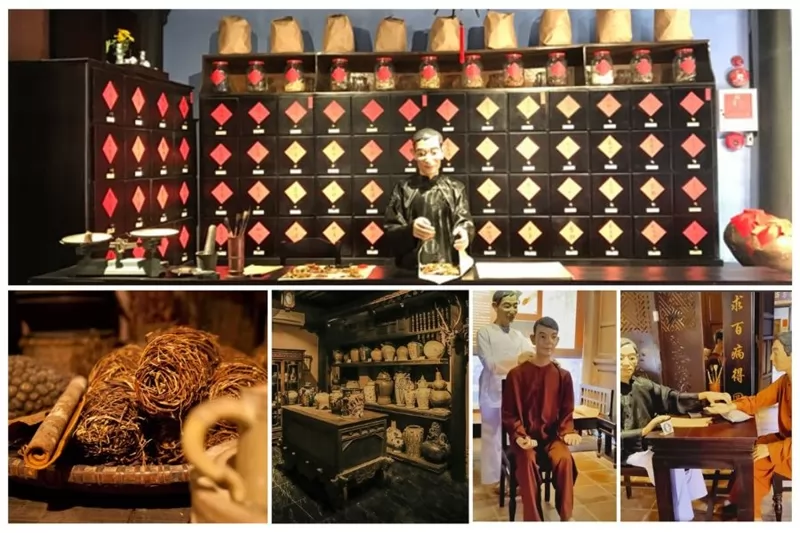
The Museum of Traditional Medicine opened in 2019 to celebrate and remind visitors of the traditional healing practices of both Vietnamese and Chinese people in Hoi An.
- Exhibitions: The ground floor is designed to resemble a classic Chinese medicine shop (Thuốc Bắc) with a doctor's consultation area and a large wooden cabinet (up to 108 cupboards). The second floor focuses on traditional Vietnamese medicine (Thuốc Nam) and honors Tue Tinh (1330–1400), the revered ancestor of Vietnamese medicine.
- Location: 46 Nguyen Thai Hoc Street.
- Operating Hours: 7:00 AM – 9:00 PM daily (closed on the 20th day of every month).
- Entrance Fee: Included in the general Ancient Town ticket (80,000 VND/domestic visitor; 120,000 VND/international visitor).
3. Beyond Museums: Immersive Cultural Experiences
While the formal museums in Hoi An provide crucial historical context, the town offers hands-on, immersive experiences that allow visitors to step directly into its living cultural heritage.
3.1 Mini Shows and Cultural Performances at Hoi An Impression Theme Park
While formal museums preserve history through artifacts, the Hoi An Impression Theme Park offers a vibrant, spectacular view of the town's culture and history through live performances. The main highlight is the grandiose outdoor spectacle Hoi An Memories show.
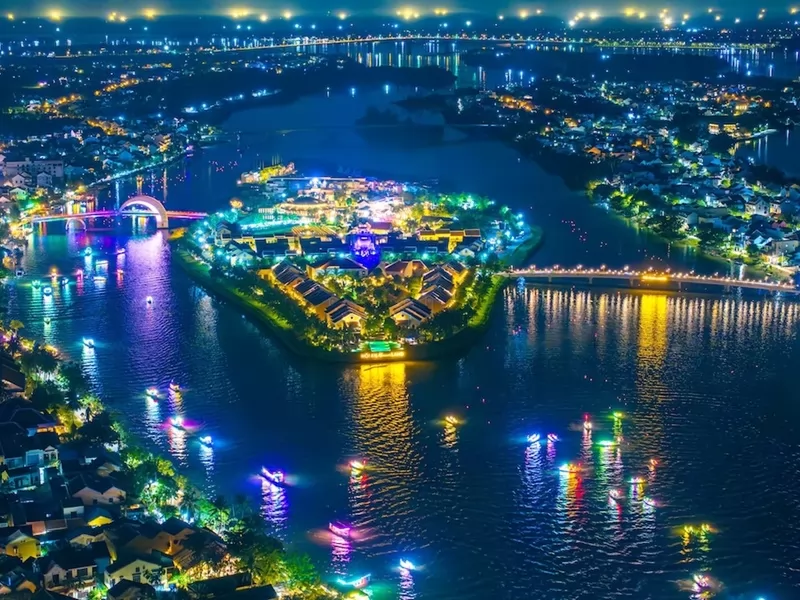
However, the park also hosts numerous smaller, free-of-charge performances daily, which re-enact aspects of folk life and the history of the trading port. These performances—ranging from Cham dances and traditional folk songs to re-enactments of wedding processions or the bustling trade scenes at the docks—allow visitors to immerse themselves in the ancient rhythm of Hoi An in a visual and emotional way.
3.2 Traditional Workshops and Craft Villages
To truly delve into the cultural heritage, visitors can go beyond the Ancient Town to visit the craft villages that have existed for centuries. These are places where traditional trades are still practiced and offer excellent opportunities to participate in hands-on workshops:
- Thanh Ha Pottery Village: Located about 3km from the Ancient Town center, this village is famous for its centuries-old hand-forming techniques, dating back to the Sa Huynh period. Visitors can try their hand at creating ceramic products and purchase souvenirs made from local clay.
- Kim Bong Carpentry Village: This village provides insight into the elaborate wood carving and construction skills that contributed to the ancient architecture of Hoi An. Visitors can observe artisans at work and learn about traditional architectural and carving arts.
- Lantern Workshops: Many shops throughout the Ancient Town organize lantern-making workshops, allowing tourists to craft and take home a handmade lantern, a vibrant symbol of Hoi An.
3.3 Exploring Old Houses as Living Museums
Many ancient houses in Hoi An are not merely architectural relics but "living museums," allowing visitors to step into the domestic space and architecture of past generations.
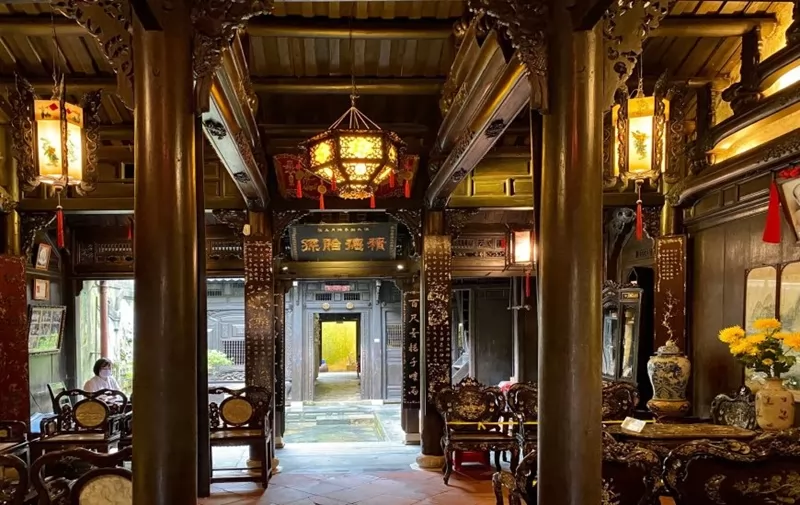
- Unique Architecture: These homes, often blending Vietnamese, Chinese, and Japanese styles (typically featuring the tube-house design with an open courtyard and spaces arranged along an axis), embody the unique cultural confluence of the former trading port.
- Direct Interaction: In many cases, the owners, often descendants of wealthy trading families, are willing to share stories about their family history, local legends, and traditional customs. This provides a personalized and deeper experience than simply reading a placard.
- Ceramics and Folklore Museums: The museums themselves, such as the Museum of Trade Ceramics and the Hoi An Folklore Museum, are housed within beautifully preserved ancient homes, highlighting the dual value of the architecture and the collections they contain.
4. Tips for Exploring Museums in Hoi An
To make the most of your visit to the historical and cultural sites, having a clear plan is essential. Here are some useful tips for exploring the diverse museums in Hoi An.
4.1 Opening Hours and Old Town Ticket Information
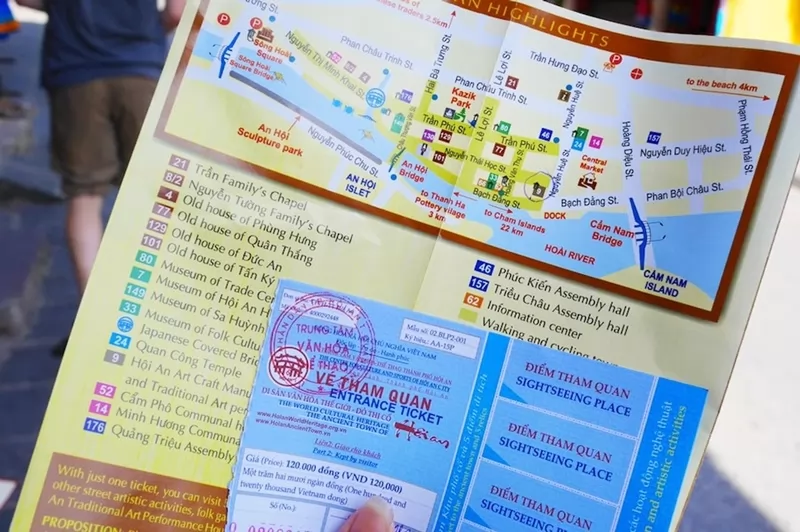
Most major museums in the Ancient Town (like the Museum of Trade Ceramics, Museum of Sa Huynh Culture, and the Museum of Folklore) maintain long opening hours, generally from 7:00 AM to 5:00 PM (though some, like the Museum of Trade Ceramics, may stay open until 9:00 PM). It is wise to note that some specialized museums or those outside the Ancient Town core may have different schedules or closure days (e.g., the 10th or 15th lunar day).
Besides, entrance to nearly all government-owned museums in Hoi An is included in the general Ancient Town ticket package. Purchasing this single ticket (120,000 VND for international visitors and 80,000 VND/domestic visitors) grants access to five different attractions, which can be any combination of museums, assembly halls, or ancient houses.
4.2 Best Time of Day to Visit without the Crowds
- Early Morning (7:00 AM – 9:00 AM): This is the best time to visit. Few tour groups are active this early, allowing you to appreciate the intricate architecture and displays (like those in the Museum of Trade Ceramics) in quiet solitude.
- Late Afternoon (3:30 PM – 5:00 PM): Crowds begin to thin out as visitors prepare for sunset and the night market. This is a good time to visit the larger venues, such as the Hoi An Museum of History and Culture, which require more time.
4.3 Suggested Museum Walking and Cycling Routes
- Ancient Town Walking Route (Focus on History & Trade): Begin at the Museum of Sa Huynh Culture (149 Tran Phu St) to view the earliest history. Then, walk east along Trần Phú Street to the Museum of Trade Ceramics (80 Tran Phu St) to trace the maritime silk road. Conclude with a visit to the Museum of Folklore (33 Nguyen Thai Hoc St) to understand the social and craft traditions that supported the port.
- Cycling Route (Exploring Craft & Modern History): Rent a bicycle to visit the craft villages and historical sites outside the core. You can cycle to the Traditional Medicine Museum (46 Nguyen Thai Hoc St, near the Ancient Town edge) before heading across the river or through the countryside to visit the Hoi An Silk Village or the Thanh Ha Pottery Village, which provide a live context to the artifacts seen in the museums.
The museums in Hoi An are the indispensable keys to unlocking the rich, multicultural soul of the Ancient Town. From the prehistoric artifacts preserved in the Museum of Sa Huynh Culture to the vibrant photographic dedication in the Precious Heritage Art Gallery Museum, these sites confirm Hoi An's legacy as a pivotal global trading port and a harmonious cultural melting pot. Don’t forget to stop by the Hoi An Memories Show to better understand the history and development of Hoi An!
-
Hotline: 1900 63 66 00
-
Press 1 For tickets
-
Press 2 For Customer Service
 Fascinated by the unique flavor with Hoi An food "black sesame sweet soup"
 Honeymoon in Hoi An: Recommended romantic activities for married couples
Related news
.webp)
Hoi An Memories: 100% Attractive Ticket Prices - Latest Offers in 2026

Hoi An Day Trip: A Detailed Guide to Fully Exploring the Town in 2026

Top 20 Must-Visit Attractions in Da Nang You Shouldn't Miss
Latest news

Hoi An Memories Land Honored with the “Corporate Excellence Award” at APEA 2026

Don’t Miss October’s Featured Heritage Experiences : Discover Hoi An’s culture through traditional workshops.

MID-AUTUMN FESTIVAL AT THE TRADING PORT – A NIGHT OF MEMORIES, A MEETING OF FIVE CULTURES
.webp)
.webp)
Comment