


Discover the Chinese Assembly Halls in Hoi An: Cultural Icons of the Ancient Town


Along the moss-covered brick streets of Hoi An, it is not difficult to encounter ancient structures featuring distinctive Chinese architectural styles. These are the Chinese assembly halls - once the centers for community activities, worship, and cultural life of Chinese guilds who migrated to Vietnam.
Today, these assembly halls are not only historical relics but also unique cultural symbols that attract millions of visitors each year. With intricately carved dragon and phoenix motifs and sweeping curved tiled roofs characteristic of the East, these halls have become an indispensable part of exploring the ancient town of Hoi An.
Let us explore the formation, role, and architectural beauty of these Chinese assembly halls - vibrant heritage sites within this World Cultural Heritage town.
1. Introduction To The Chinese Assembly Halls In Hoi An
When the Chinese began settling in Hoi An during the 16th–17th centuries, they brought not only goods but also distinctive cultural values. To preserve traditions and maintain community ties in a foreign land, regional Chinese groups - such as Fujian, Guangdong, Hainan, and Chaozhou - built assembly halls as gathering spaces, places of worship, and cultural event venues.
Unlike typical temples, these halls served both religious and social purposes. People came to worship, conduct business, exchange ideas, and educate the next generation.
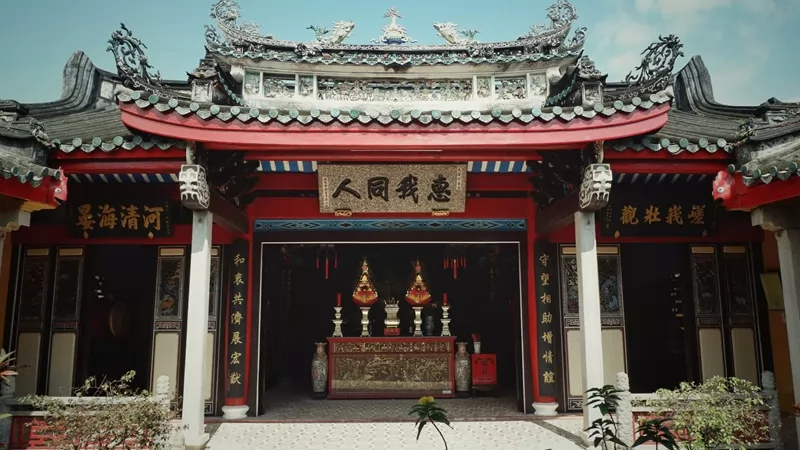
Architecturally, these halls feature curved roofs, red lacquered wooden pillars, dragon and phoenix motifs, and intricate bas-reliefs - all deeply rooted in traditional Chinese aesthetics. Each hall reflects the region of its founders: Fujian halls are spacious and colorful, while Guangdong halls tend to be more solemn and understated.
Above all, the assembly halls have become cultural anchors - preserving identity and solidarity within the cosmopolitan trading port of Hoi An. To this day, they offer visitors a glimpse into the spiritual and communal life of the Chinese diaspora in Vietnam.
2. Famous Chinese Assembly Halls in Hoi An
As you stroll through Hoi An’s lantern-lit alleys, the Chinese Assembly Halls emerge not just as cultural relics but as living chapters of the town’s history. Each hall bears the hallmark of a specific Chinese community - from the rich Fujian influence to the elegance of Chaozhou - forming a mosaic of spiritual and architectural beauty.
2.1 Fujian Assembly Hall (Phuc Kien Hall)
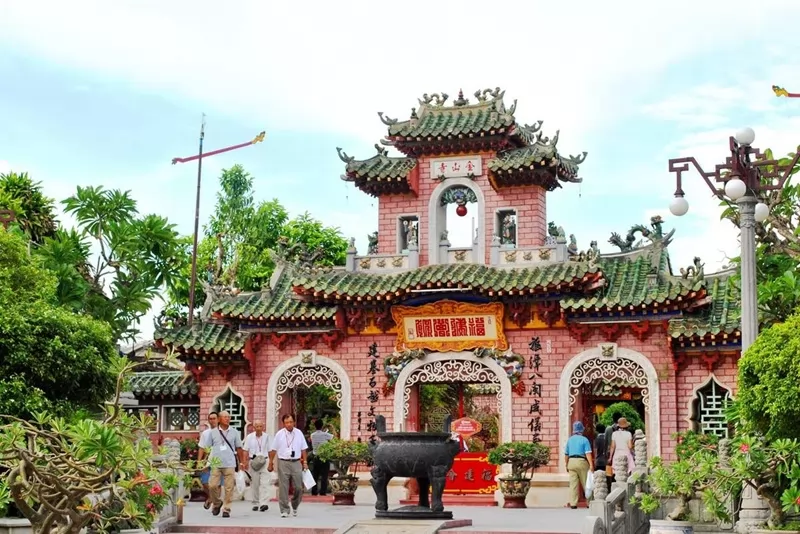
Built in 1690 by Chinese immigrants from Fujian province, the Phuc Kien Hall is arguably the most iconic and elaborate of all the assembly halls. Initially constructed entirely of wood, it was later rebuilt with brick and tile in 1757, giving it the grandeur we see today.
The hall is designed in the traditional “Tam” layout - front courtyard, central sanctuary, and rear altar - all aligned in a deep and spacious axis. Rich in red and gold tones, it showcases intricate carvings of dragons, phoenixes, and floral motifs, symbolizing prosperity and longevity.
Most notably, it houses the altar of Thien Hau Thanh Mau, the sea goddess worshiped by sailors and traders. Visitors often marvel at the Three-Entrance Gate (Tam Quan), the large incense burners, and the exquisitely carved altars - making it a highlight for both pilgrims and tourists.
2.2 Cantonese Assembly Hall (Quang Dong Hall)
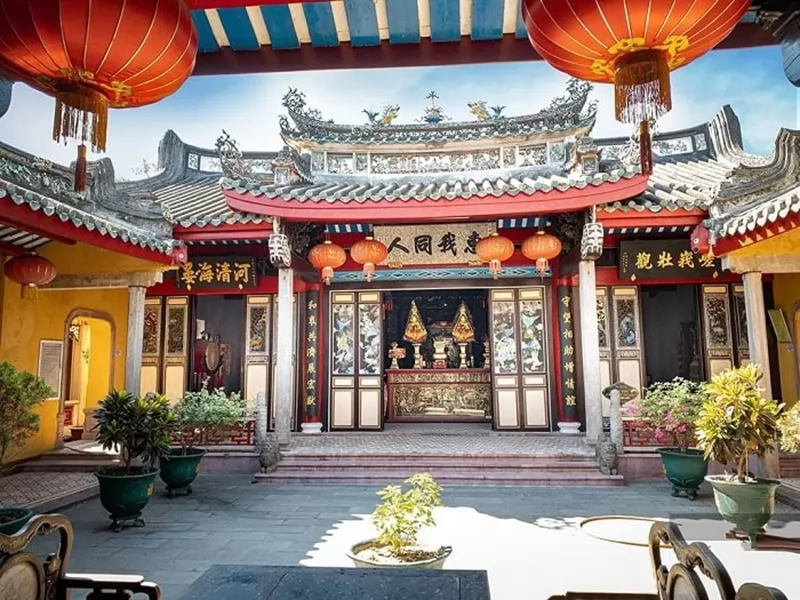
Although specific construction details are scarce, the Cantonese Assembly Hall was established by the Guangdong Chinese community and remains one of the spiritual and communal cornerstones of their diaspora.
Its architectural style is traditionally symmetrical and balanced, featuring a central hall flanked by auxiliary spaces. Rich woodwork, roof carvings, and the presence of lion statues at the entrance reflect the artistry and protective symbolism typical of Cantonese design. The main deity worshiped here is Quan Cong (Guan Yu), symbolizing loyalty and righteousness.
2.3 Hainan Assembly Hall (Hai Nam Hall)
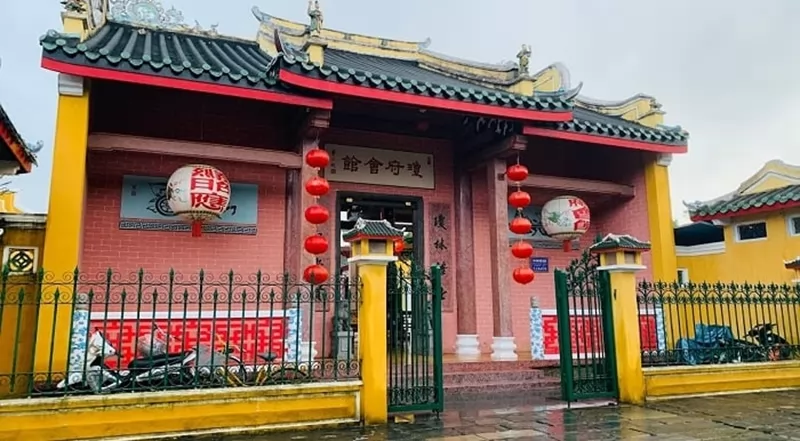
This hall is dedicated to 108 Hainan merchants unjustly executed and later vindicated by Emperor Tu Duc. Though not as widely known, the Hainan Hall holds immense historical value.
Its structure includes east and west wings, a central courtyard, and rear worship hall, creating a solemn yet intimate layout. Inside, richly lacquered red and gold altars pay tribute to the 108 spirits. The hall's quiet dignity and symbolic story add emotional weight to its ornate beauty.
2.4 Chaozhou Assembly Hall (Trieu Chau Hall)
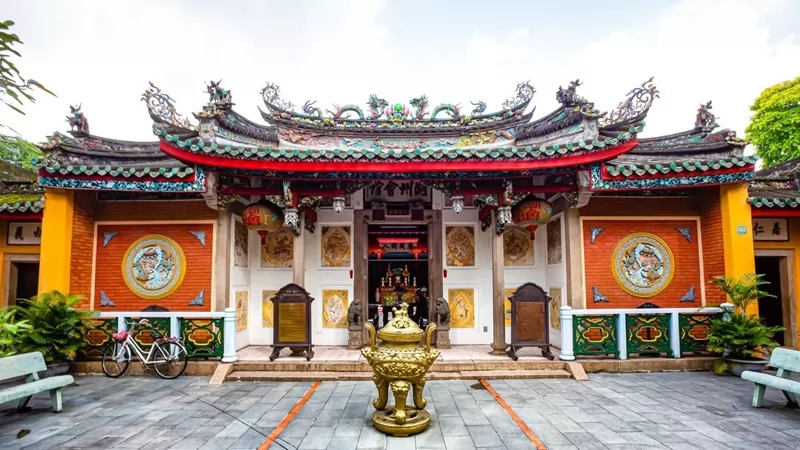
Established in 1845, the Trieu Chau Hall reflects the artistic sensibilities of the Chaozhou community. Its design is layered and compact, with wooden pillars and rooftops decorated in vivid colors and motifs.
Carvings here depict scenes from folklore, legends, and daily life, showcasing Chaozhou's distinct aesthetics. Beyond the spiritual elements, the hall also served as a meeting place, cultural hub, and platform for education and conflict resolution within the community.
2.5 Chinese Congregation Halls In Tran Phu Street
Tran Phu Street is home to several of these historic assembly halls, with the Phuc Kien Hall at number 46 being the most prominent. Along this street, you'll encounter several other heritage structures that echo the cultural spirit of the Chinese diaspora, each contributing to Hoi An’s designation as a UNESCO World Heritage site.
3. What To Expect When Visiting A Chinese Assembly Hall In Hoi An
Stepping into a Chinese assembly hall in Hoi An is like stepping into a story carved in wood, painted in gold, and whispered through incense smoke. Each element - from decorative dragons to ritual offerings - tells a tale of heritage, faith, and identity.
3.1 Decorative Details: Dragons, Phoenixes, And Symbolic Motifs
The decorative language of the assembly halls is rich with meaning. Dragons, phoenixes, fish, lotus flowers, and clouds adorn every corner - not just for aesthetics, but as symbols of strength, harmony, and spiritual protection.
- Dragons: Represent power and divine guidance, often seen on roofs and altars.
- Phoenixes: Symbolize peace and rebirth, typically paired with dragons to represent balance.
- Red and gold tones: Dominant throughout, these colors are believed to attract luck, prosperity, and happiness.
- Intricate wood and stone carvings: Scenes from Chinese mythology, daily life, and moral parables are vividly depicted.
Every inch is deliberate, every motif part of a visual language that reinforces spiritual and cultural values.
3.2 Altars And Religious Practices
Inside the halls, the scent of sandalwood guides visitors toward intricately designed altars. Each hall typically houses shrines dedicated to guardian deities:
- Thien Hau Thanh Mau: The sea goddess, protector of sailors, is central in Phuc Kien Hall.
- Quan Cong (Guan Yu): Honored for loyalty and righteousness, prominent in Quang Dong Hall.
- 108 Hainan merchants: Memorialized in Hai Nam Hall for their tragic but revered legacy.
Offerings of fruits, flowers, and incense are regularly placed on altars, especially during festivals and spiritual days. Devotees bow three times, light incense sticks, and whisper wishes or prayers into the silent grandeur of the hall.
3.3 Festivals And Events Held At The Halls
Each year, the halls come alive during vibrant festivals:
- Tet Nguyen Dan (Lunar New Year): A time for ancestral worship, fortune-seeking, and communal bonding.
- Thien Hau Festival: Celebrated at Phuc Kien Hall, drawing large crowds for prayers, offerings, and traditional performances.
- Quan Cong’s birthday: Observed at Quang Dong Hall with processions and symbolic rituals.
- Community blessing ceremonies: Held throughout the year, inviting locals and tourists to join in peace-seeking and cultural exchange.
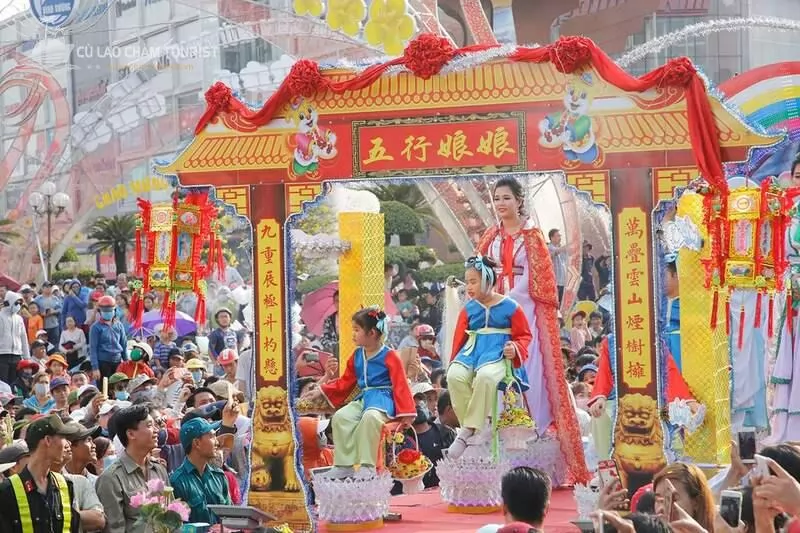
During these times, the halls are beautifully lit, often with lanterns, and filled with sounds of drums, traditional music, and ceremonial chants. These events not only strengthen communal ties but also invite new generations and visitors into the enduring legacy of Hoi An's Chinese heritage.
4. Conclusion
The Chinese Assembly Halls in Hoi An are not just relics of the past; they are sacred spaces that continue to breathe life into the cultural soul of the ancient town. They speak of journeys across seas, of communities held together by faith, and of artistry passed down through generations.
Visiting these halls offers more than a sightseeing opportunity - it's an invitation to witness resilience, devotion, and beauty woven into architecture and ritual. Whether you're drawn by their aesthetic allure or the stories they tell, the Chinese assembly halls will leave an indelible mark on your Hoi An experience.
-
Hotline: 1900 63 66 00
-
Press 1 For tickets
-
Press 2 For Customer Service
 Hoi An Specialties by Season: What to Eat Throughout the Year
 Where to Stay in Hoi An? Essential Tips for Choosing the Ideal Accommodation for First-Timers
Related news
.webp)
Hoi An Memories: 100% Attractive Ticket Prices - Latest Offers in 2026

Hoi An Day Trip: A Detailed Guide to Fully Exploring the Town in 2026

Top 20 Must-Visit Attractions in Da Nang You Shouldn't Miss
Latest news

Hoi An Memories Land Shines Bright to Welcome Visitors for Vietnam’s National Day
.webp)
.webp)
National Day Dressed in the Colors of the Flag with Hoi An Memories Show’s Special Edition

Top Places to Watch the Sunset in Hoi An: Best Locations for 2026

Comment